
Industrial Electrification and the Smart Grid: Preparing Enterprises for 2030
India's industrial base is at an inflection point. Decades of underinvestment in electrical infrastructure are colliding with a surge in energy demand driven by manufacturing expansion, data centre proliferation, and the electrification of industrial processes previously powered by fossil fuels. The result: power quality failures, demand charge volatility, and ageing substation infrastructure that cannot support the loads modern operations require.
The Infrastructure Deficit
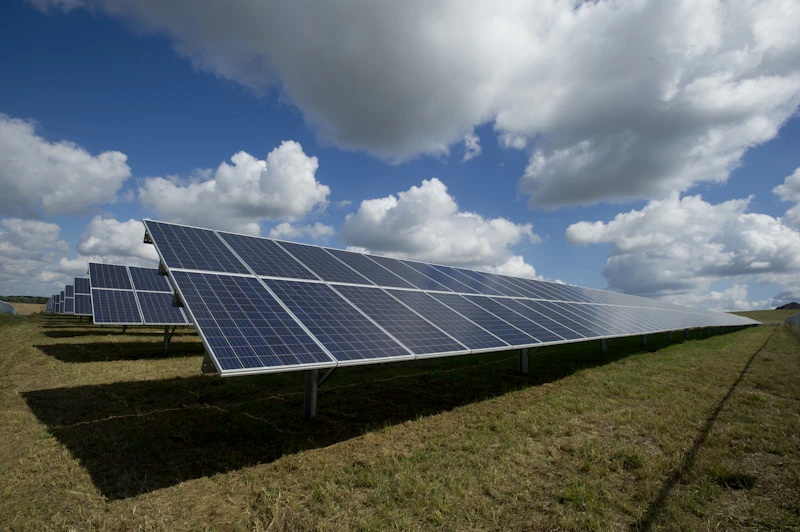
Most Indian industrial facilities were designed for a world of stable, grid-supplied power and predictable load profiles. Today's operating environment is radically different. On-site solar generation creates bidirectional power flows that legacy switchgear cannot manage. EV charging fleets introduce demand spikes that overwhelm existing transformer capacity. Regulatory mandates for smart metering and power factor correction require communication-capable equipment that oil-filled transformers and electromechanical relays cannot provide.
- Power quality monitoring: harmonic analysis, voltage sag detection, power factor correction at LT bus level
- Protection coordination: updated relay settings and arc flash studies for the new load mix
- Demand response capability: automated load shedding tied to grid frequency signals or time-of-use rate triggers
- DER integration: bidirectional metering, anti-islanding protection, grid synchronisation for rooftop solar
- Energy management system (EMS): centralised dashboard integrating generation, consumption, and storage
The Role of Cast Resin Transformers
One of the most overlooked upgrades in industrial electrification is the distribution transformer. Oil-filled transformers, which remain the standard in many Indian plants, carry significant fire and environmental risk, require costly oil maintenance, and cannot be installed in sensitive indoor locations — restricting electrical room design flexibility.
E3, C3, and F1 certified cast resin transformers — which Ventorix supplies as part of its electrical infrastructure practice — eliminate these constraints. Their dry-winding design is self-extinguishing, maintenance-free, and rated for harsh environments including chemical exposure and high humidity. For pharmaceutical plants, food processing facilities, and data centres, they are not optional — they are the only transformer technology that meets the combination of fire safety, maintenance, and regulatory requirements.
E3, C3, and F1 certified cast resin transformers eliminate the constraints of oil-filled units. Their dry-winding design is self-extinguishing, maintenance-free, and rated for harsh environments.
High Voltage PPE: The Safety Infrastructure Layer
As plants extend their HT systems for larger solar arrays and EV charging infrastructure, the voltage levels that maintenance personnel routinely encounter rise. HV PPE — insulated gloves rated to IEC 60903, arc-rated face shields, insulating mats, and hot-stick tools — is not optional equipment; it is the minimum compliance requirement for working on energised HT systems.
Ventorix's PPE supply practice covers the full spectrum of high-voltage safety equipment from leading manufacturers, with calibration certificates and test reports included. We also conduct arc flash hazard assessments to determine the correct PPE category for each distribution panel and switchgear bay.
The 2030 Horizon: Act Before the Mandate Arrives
India's Bureau of Energy Efficiency (BEE) is progressively tightening energy intensity norms under the Perform Achieve and Trade (PAT) scheme. The Central Electricity Authority (CEA) is updating grid connectivity regulations to mandate smart metering and power quality compliance. And DISCOMs across the country are introducing time-of-use tariffs that will penalise plants without demand response capability.
Industrial enterprises that invest in modern electrical infrastructure now — upgraded switchgear, smart metering, power factor correction, cast resin transformers, DER-ready substations — will be positioned to meet these mandates at no incremental compliance cost, while simultaneously reducing energy bills through demand charge optimisation.
The smart grid is not a future concept for Indian industry — it is the current regulatory and operational direction. The enterprises that prepare their electrical infrastructure today will lead their sectors in energy efficiency, compliance readiness, and operational resilience by 2030. The infrastructure window is open. The time to act is now.
Published by
Ventorix Editorial
Electrical Infrastructure Division
About Ventorix
Multi-sector enterprise delivering renewable energy, EPC, electrical infrastructure, EV charging, and healthcare chemicals across India.
Our ServicesCategory
Electrical InfrastructureHave a project in mind?
Our engineers respond within one business day with a tailored consultation — no commitment required.